PlantApp is a gene- and protein-centric portal for comparative genomics in plants. It brings together curated and reprocessed annotation layers—protein descriptions, families, orthogroups, domains, coordinates, and cross-genome links—so you can move from a single identifier to functional context across species without juggling half a dozen portals.
The site has grown substantially since the first public version: expanded genomes and annotation builds, richer expression and coexpression views built on large reprocessed RNA-seq compendia, and lightweight in-browser tools (phylogeny sketches, alignments, genome context, GO enrichment, heatmaps, and more) for quick hypothesis checks before you commit to a heavy pipeline.
What you can explore
- Annotation stacks for many plant genomes, with consistent identifiers and summaries you can compare side by side. Current dataset coverage is listed on the live site (available databases).
- Expression & coexpression: interactive plots and downloads for normalized expression data across large sample collections; differential expression and mutual-rank–style coexpression views to support pathway and network thinking.
- Downstream resources: links from genes to reprocessed tables, and integration with tools described under Analysis Tools (for example coexpression clustering and GRN-style summaries developed for PlantApp).
If you use PlantApp in a publication or talk, please cite the live resource (plantapp.org) and check the site for the most current attribution text.
Screenshots (selected)
Annotation summaries

Expression profile

Expression heatmap

Mutual rank–based coexpression view

In-browser apps (examples)
SimpleTree
Build a quick protein-based phylogenetic tree from a list of gene IDs (example data built in).

Protein alignment
Interactive alignment from selected gene IDs.

Genome graph
Chromosome-scale context for selected genes (species coverage depends on genome builds in the database).

GO enrichment
Fast enrichment from a pasted gene list.

Mini-heatmaps
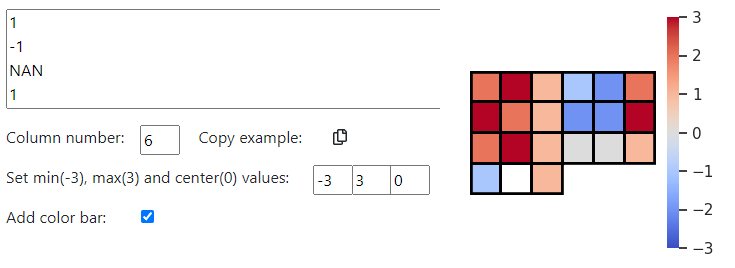
Compact heatmaps for arbitrary gene sets (MapMan-style workflow); paste a matrix or use the built-in example.